
Homeowner Guide
Siding Tips: What to Know Before You Start
What protects your home’s biggest surface, and the signs it’s time to replace instead of patch.
Siding Is a Water-Management System First
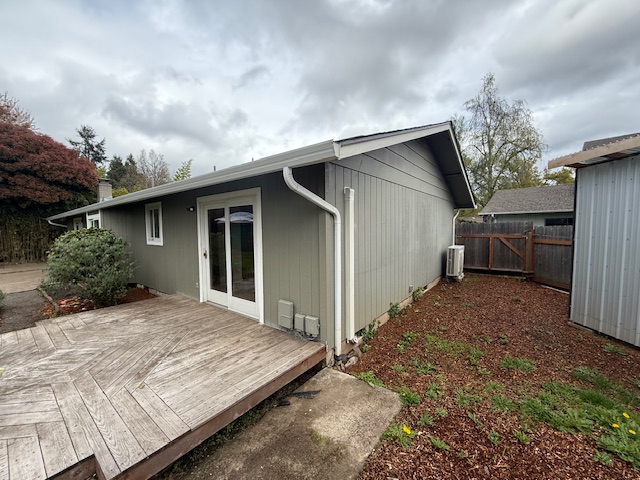
Siding affects curb appeal, but its most important job is helping protect the wall assembly behind it from rain and moisture. The siding itself is only one part of that system. Proper overlap, flashing around windows and doors, sealed penetrations, and a correctly installed weather-resistant barrier all work together to direct water away from the sheathing and framing. Even expensive siding can fail if those details are handled poorly. For homes in Eugene, Springfield, and the surrounding Willamette Valley, where long wet seasons are normal, the installation behind the siding matters just as much as the material homeowners see from the street.
Cracks, Warping, and Gaps Are Early Warning Signs
Small siding defects are easy to ignore because they often look cosmetic at first. Cracked boards, loose panels, open seams, warped sections, peeling paint, or gaps around trim can give water a path behind the exterior surface. Once moisture reaches the sheathing or framing, the damage can remain hidden until soft wood, staining, mold, or dry rot becomes visible. If you notice changes in one area of the exterior, especially around windows, doors, lower wall sections, roof transitions, or shaded sides of the home, it is worth checking sooner rather than later. A localized repair is usually easier to deal with before moisture has had time to spread.
Repair or Replacement Depends on the Condition Behind the Siding
A damaged section does not automatically mean the entire home needs new siding. If the problem is isolated, the surrounding siding is still in good condition, and the sheathing underneath is dry and structurally sound, a repair or partial replacement may be the right approach. The decision changes when moisture damage appears in multiple areas or when the sheathing, framing, flashing, or weather barrier has already deteriorated. Covering those problems with new siding does not solve them. The damaged materials and the source of the moisture need to be addressed first. If you are unsure how extensive the problem is, Foshay Contracting can help take a look and explain what appears repairable before you commit to a larger project.
Choose Siding Based on Maintenance and Exposure
Wood, fiber cement, vinyl, engineered wood, and other siding products all have different maintenance requirements and react differently to moisture, sun, impact, and temperature changes. Wood can provide a traditional look but usually requires more ongoing painting, sealing, and inspection. Fiber cement is durable and moisture resistant when installed correctly, but joints, flashing, clearances, and paint still matter. Vinyl generally requires less surface maintenance but still depends on proper installation and a sound drainage system behind it. The right material should fit the home, budget, maintenance expectations, and level of weather exposure rather than being selected only from a showroom sample.
Inspect Your Siding Before Problems Become Obvious
Homeowners do not need to wait for a leak or visible rot before checking the exterior. A quick inspection once or twice a year, especially after the wet season or a major storm, can reveal problems while they are still manageable. Look for cracked or loose siding, open joints, failed caulking, peeling paint, discoloration, soft wood, damaged trim, and areas where vegetation, soil, roofing, or other materials stay in close contact with the siding. Pay extra attention to the bottoms of walls, window and door openings, deck connections, and areas that receive less sunlight and dry more slowly. Catching a small moisture pathway early can prevent a much larger siding and dry rot repair later.
Frequently Asked Questions
How do I know if I need siding repair or full replacement?
It depends on whether moisture has reached the sheathing or framing behind the siding. We inspect before recommending either option, and won’t push full replacement if a repair genuinely solves the problem.
How long does siding installation take?
Timeline depends on the size of the home and whether sheathing or framing repair is needed underneath. We give a firm timeline after inspecting the space.
What siding material holds up best in Oregon weather?
Fiber cement and quality vinyl both perform well against our wet winters, each with different maintenance needs. We can walk through the tradeoffs based on your home and budget.
Do you handle siding repair in my area?
Yes, we handle siding repair and replacement throughout Eugene, Springfield, Junction City, Veneta, Creswell, and Pleasant Hill.
Noticing signs of siding damage? Let’s take a look.

Licensed, bonded, and insured general contractor serving Eugene, Springfield, and surrounding areas.
CCB #231960
Memberships: Eugene Builders Exchange, BBB, Springfield Chamber of Commerce, BNI
Interior
Exterior
Fences
Contact
Eugene, Springfield, Junction City, Veneta, Creswell, Pleasant Hill
Mon–Fri 8am–5pm · Sat–Sun closed
© 2026 Foshay Contracting LLC. All rights reserved.
CCB #231960