
Homeowner Guide
Flooring Tips: What to Know Before You Start
Why new flooring only looks as good as what’s underneath it, and how to pick the right material for the room.
Subfloor Preparation
New flooring is only as good as the surface underneath it. Soft spots, loose panels, uneven joists, old water damage, or sections of subfloor that never fully dried can cause finished flooring to move, squeak, separate, crack, or feel uneven. Before installing LVP, hardwood, tile, or another flooring material, the subfloor should be checked for moisture, structural damage, flatness, and secure fastening. Repairing those issues first may add time to the project, but it is much less expensive than removing new flooring later because a hidden problem underneath was never addressed.
Choose Flooring Based on the Room
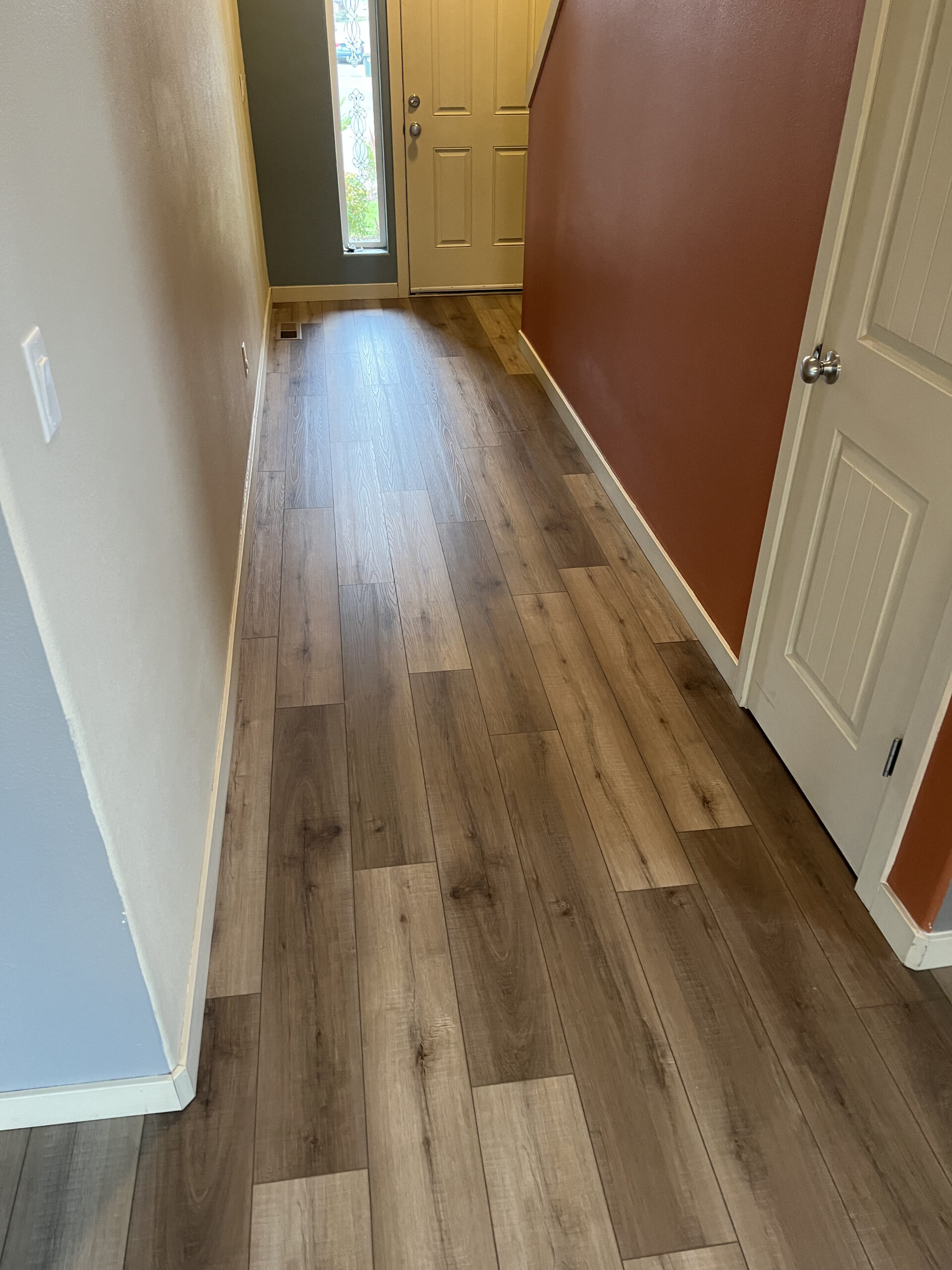
Different flooring materials perform better in different parts of the home. Luxury vinyl plank is popular because it handles everyday wear and moisture better than many traditional materials, which can make it a practical option for kitchens, entryways, laundry areas, and busy households. Hardwood offers a more traditional look and can add warmth and character, but it is less forgiving of repeated moisture exposure. Tile works especially well in bathrooms and other areas where water resistance matters, but it also requires a properly prepared and stable substrate. The best choice depends on how the room is used, how much moisture it sees, the condition of the subfloor, maintenance expectations, and budget.
Inspect For Water Damage Before New Flooring Is Installed
Replacing damaged flooring without fixing the moisture source first only hides the problem. If the floor was affected by a plumbing leak, appliance failure, roof leak, or other water intrusion, the source should be repaired and the affected materials checked before installation begins. The subfloor may look dry on the surface while still holding moisture deeper in the material, so drying time and moisture testing can matter depending on the extent of the loss. Installing new flooring too early can trap moisture underneath, leading to odor, mold growth, swelling, adhesive failure, or additional deterioration. The repair should start with the water source, then the structure underneath, and only then move on to the finished flooring.
Transitions Make a Big Difference
The places where one flooring material meets another are easy to overlook, but they have a major effect on how finished the project looks and performs. Doorways, thresholds, stairs, fireplaces, cabinets, and transitions between tile, carpet, hardwood, or LVP all need to be planned before installation reaches that point. Poorly fitted transition strips can create gaps, movement, trip points, or exposed flooring edges. Good installation also accounts for the expansion requirements of the flooring product so materials have room to move without buckling. These details may only take up a small part of the floor, but they are often where the difference between a rushed installation and a professional one is easiest to see.
Removing Old Flooring Can Reveal Issues
Old flooring can hide years of moisture damage, pet damage, uneven repairs, loose subflooring, multiple layers of previous flooring, or deteriorated materials around kitchens and bathrooms. Until carpet, vinyl, laminate, tile, or hardwood is removed, there may be no reliable way to know exactly what condition the surface underneath is in. Homeowners should allow some flexibility in both the budget and schedule for those discoveries, especially in older homes. Finding an issue during demolition does not automatically mean something went wrong with the project. What matters is that the condition is documented, explained clearly, and repaired correctly before the new flooring covers it again.
Frequently Asked Questions
How do I know if my subfloor needs repair before new flooring?
Signs include soft spots, squeaking, uneven areas, or previous water damage. Once old flooring is removed, we inspect the subfloor and repair or replace it where needed before installation continues.
What flooring holds up best in kitchens and bathrooms?
Water-resistant or waterproof flooring is generally the right call in areas with regular moisture exposure. LVP and tile are common choices, though the best option also depends on your subfloor and room layout.
How long does flooring installation take?
A single room can often be finished in a day. Whole-home installations or projects requiring subfloor repair take longer. We give a firm timeline once we’ve measured and inspected the space.
Can you replace flooring after a water leak?
Yes, once the water source is fixed and the affected subfloor has properly dried. We evaluate the area before installing new material to make sure nothing is sealed in underneath.
Ready to talk about new flooring?

Licensed, bonded, and insured general contractor serving Eugene, Springfield, and surrounding areas.
CCB #231960
Memberships: Eugene Builders Exchange, BBB, Springfield Chamber of Commerce, BNI
Interior
Exterior
Fences
Contact
Eugene, Springfield, Junction City, Veneta, Creswell, Pleasant Hill
Mon–Fri 8am–5pm · Sat–Sun closed
© 2026 Foshay Contracting LLC. All rights reserved.
CCB #231960